

Grey Squirrel (Sciurus carolinensis)
The imported Grey Squirrel was ‘Deliberately’ introduced into Britain between 1876 and 1929, since the this rodent has spread throughout England and Wales but is not that common in Scotland and has not reached off shore islands.
Grey squirrels are a common sight in urban and suburban areas. They are known for their bushy tails and grey fur. These rodents are active during the day and are excellent climbers, making them adept at accessing loft spaces. They are also known to carry fleas and other parasites.
Identifying a Grey Squirrel Infestation
The first step in dealing with a grey squirrel infestation is identifying it. Signs of a grey squirrel infestation include scratching noises, droppings, and damage to insulation, woodwork, and electrical wiring. You may also notice nesting within the loft insulation as the squirrels scrape the material into piles to make their dreys. If you suspect that you have a grey squirrel infestation, it’s important to act quickly to prevent further damage.
Treatments / Traps
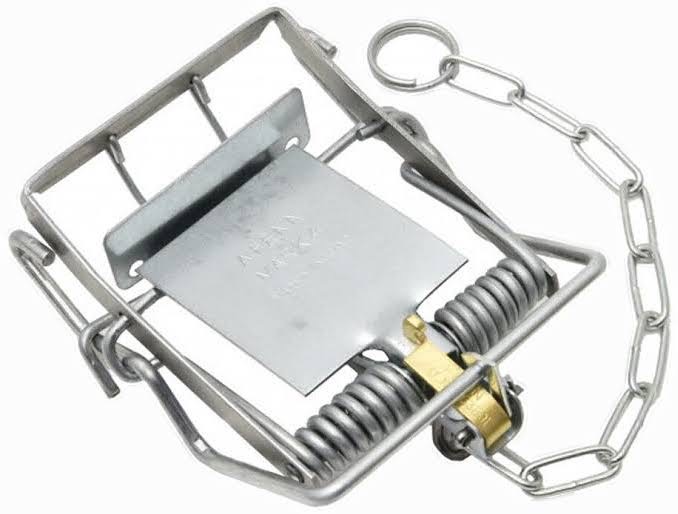
All Squirrel baits have been removed from the professional market so trapping is really the only available option. Solway MK4 traps are extremely effective and because of their size when both engaged and sprung they can often be placed at or near the point of entry within facia’s of roof spaces or direct into the drey. By placing these traps into tunnels such as pipework encourages the Squirrel to engage the traps head first ensuring quick and humane dispatch.
Live catch Traps
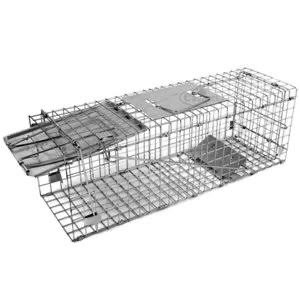
Large, clumsy and in my opinion from experience cause unnecessary stress to the target pest. The squirrels inquisitive nature allow the animal to enter baited traps triggering a footplate which in turn releases a latch which closes the entrance. These traps can also be costly as regular inspection is mandatory ideally every 12 hours, all trapped animals must be provided with food and water in accordance with the Animal Welfare Act 2006 which requires the captive animal to be treated humanely, and ultimately the animal is to be dispatched on site. It is illegal to release grey squirrels alive Under the Wildlife and Countryside act 1981
Importance of control
If Squirrels enter and set up home within the roof or loft space of buildings and are not controlled they can cause extensive damage to timbers, plastic pipework and electrical cables. Squirrels also work on ‘Signature’ trails so young will often return to their origin meaning you can often have multiple generations of squirrels living close to each other. Squirrels an live up to 9 years in the wild so there is scope for a lot of squirrels in close proximity.
Once control has been achieved it is important to ‘Proof’ entry points, if possible remove the areas of nesting, dreys and nesting materials and disinfect the area. Squirrels are ‘flea’ carriers and while humans are not the preferred food source they can become a irritation.
If you require assistance with the control or proofing works for Squirrels please feel free to contact us direct.