
You don’t have to be Rattus rattus to use a roof..
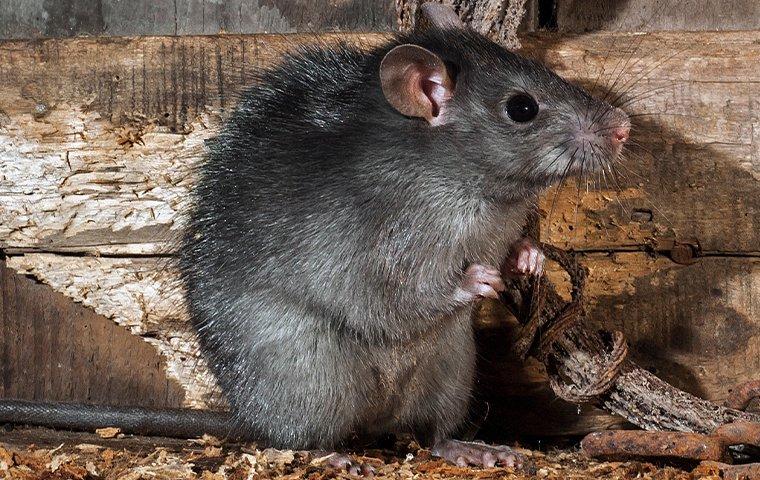
In the United Kingdom we are graced with both the ‘Black Rat’ (Rattus rattus) and the ‘Norwegian Rat’ (Rattus norvegicus). The Black Rat or (Ship) rat are now one of the rarest mammals in Britian, their numbers are diminishing as places like docks and dockyards are being modernised.
They are the smaller of the two commensal rats within Britain and do not come inland or co-habit with its larger cousin. While the ‘Common Rat‘ is omnivorous the Black Rat feed mainly on seed and grains, they tend to live in large packs with a dominant male. They are skilled climbers, can use telephone cables to move between buildings and are comfortable at heights, hence ‘Roof Rat’
It is thought that there are no longer any permanent black rat populations within Great Britain, smaller populations often frequent places like Southwark, London and Avonmouth but are quickly eradicated.
Did you Know..??
The Black Rat was blamed for the ‘Black Death’ plague which killed around 40% of the people in Europe in the 14th Century. The disease is caused by a bacterium and was spread largely by being bitten by the fleas hosted by the rats, however recent studies indicates that is was not in fact the rats that carried the fleas but gerbils. After six centuries could the black rat have its name cleared..??
Nearly every rat call i attend the target is the common rat, AKA the Brown rat or Sewer rat. Despite its name, it being heavier, larger and not as good a climber as the roof rat the common rat can hold its own when it comes to breaching properties through higher points of entry. In this last week alone i have been called to three properties where it is confirmed roof entry.
Just like lower entry points and drainage entry the rat is only taking advantage of something that is not right or where a opportunity is to be taken advantage of. Apart from ensuring that your roof is in good condition with no broken tiles, missing cement or dislodged lead flashing it is important that you are not providing a ‘ladder’ or a way to the roof guttering.
Ensure that tree branches are cut away from the roof line, ivy growth is restricted to remain below the gutter, while the common rat will not necessarily walk a tight rope it can impressively jump from a fence or wall to a close point on the roof. Once access to the gutter is gained then rats can breach under tiles where there is no bird proofing grills, where roof tiles are raised or damaged or where concrete has become dislodged.
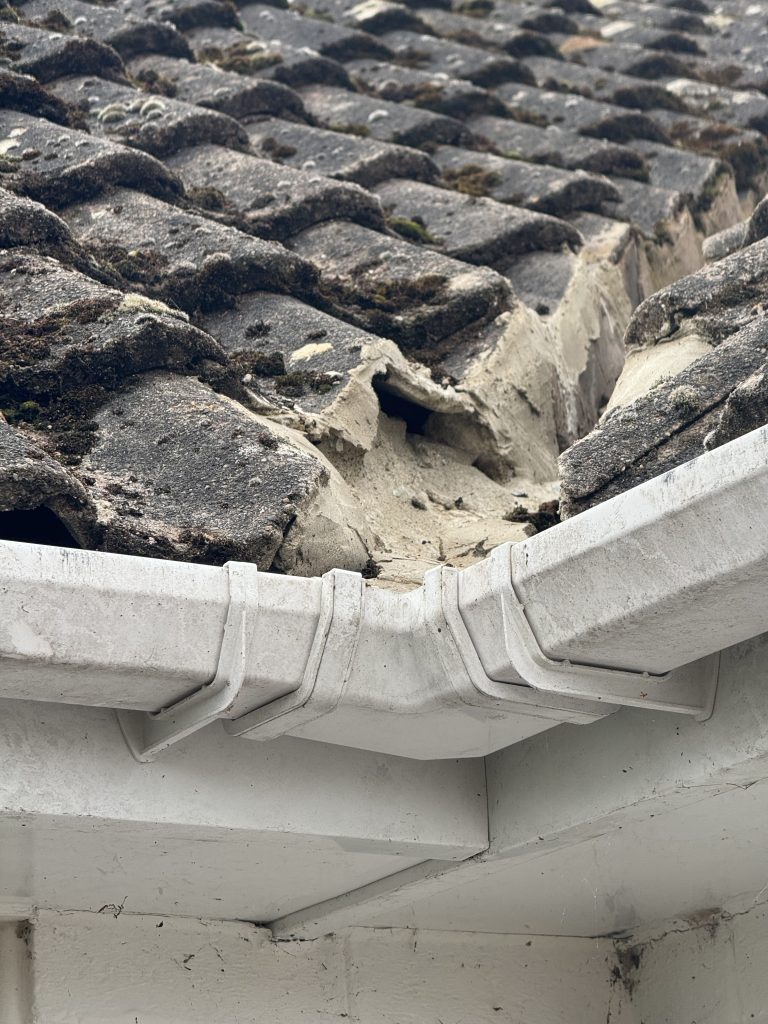
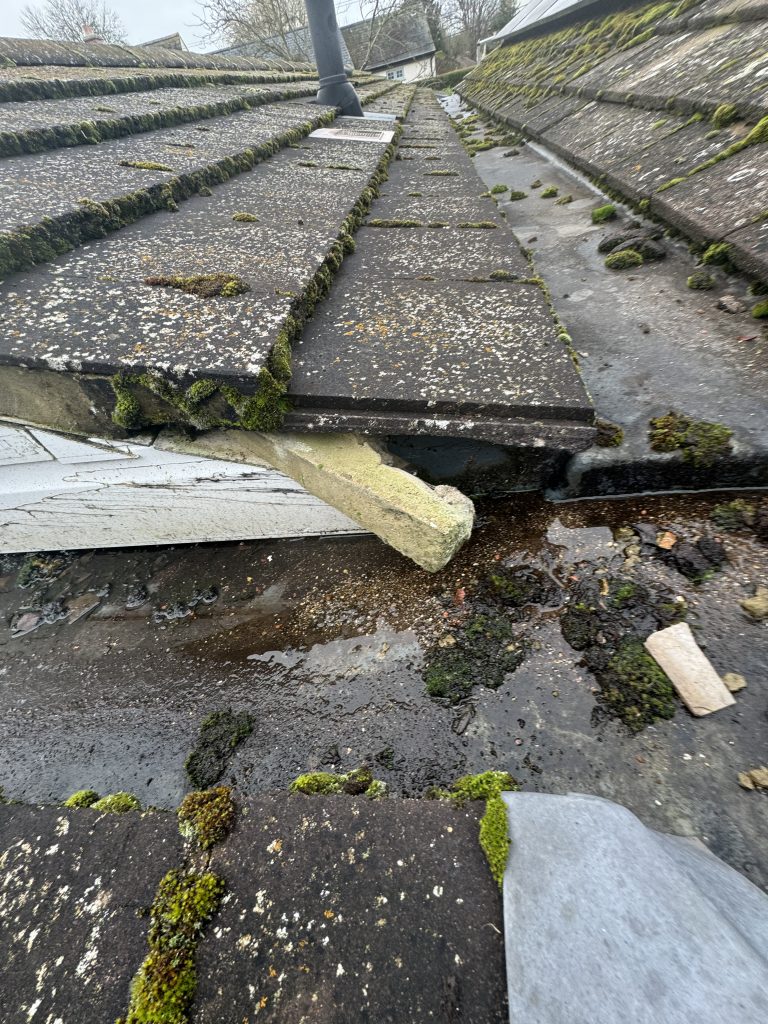
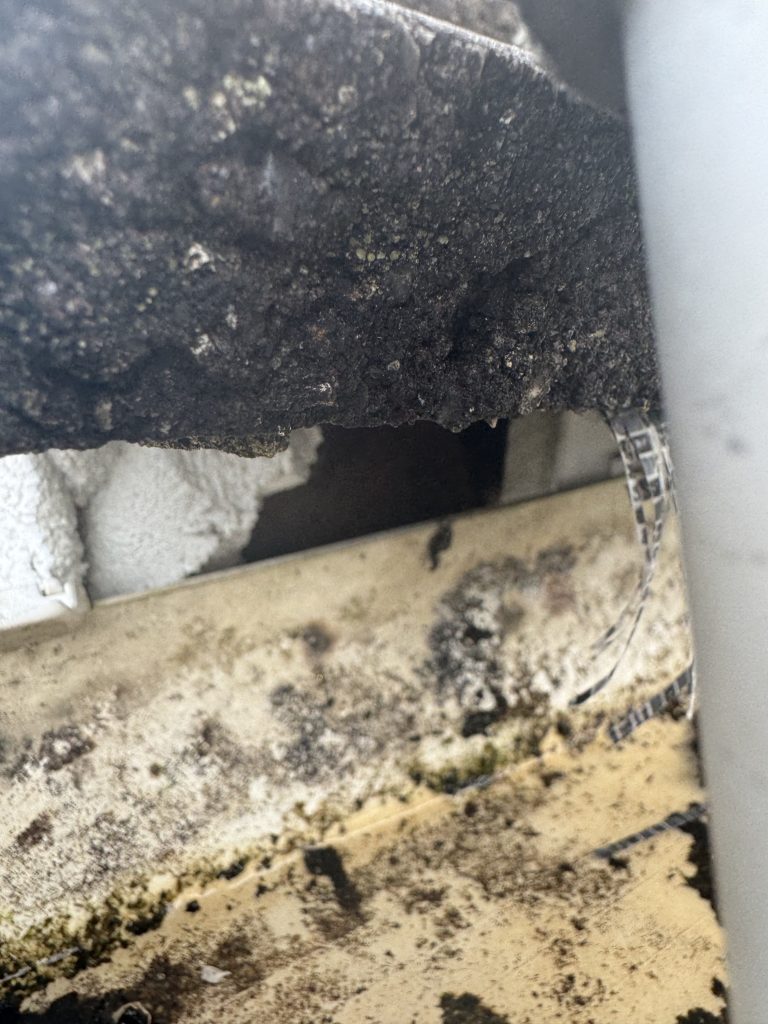
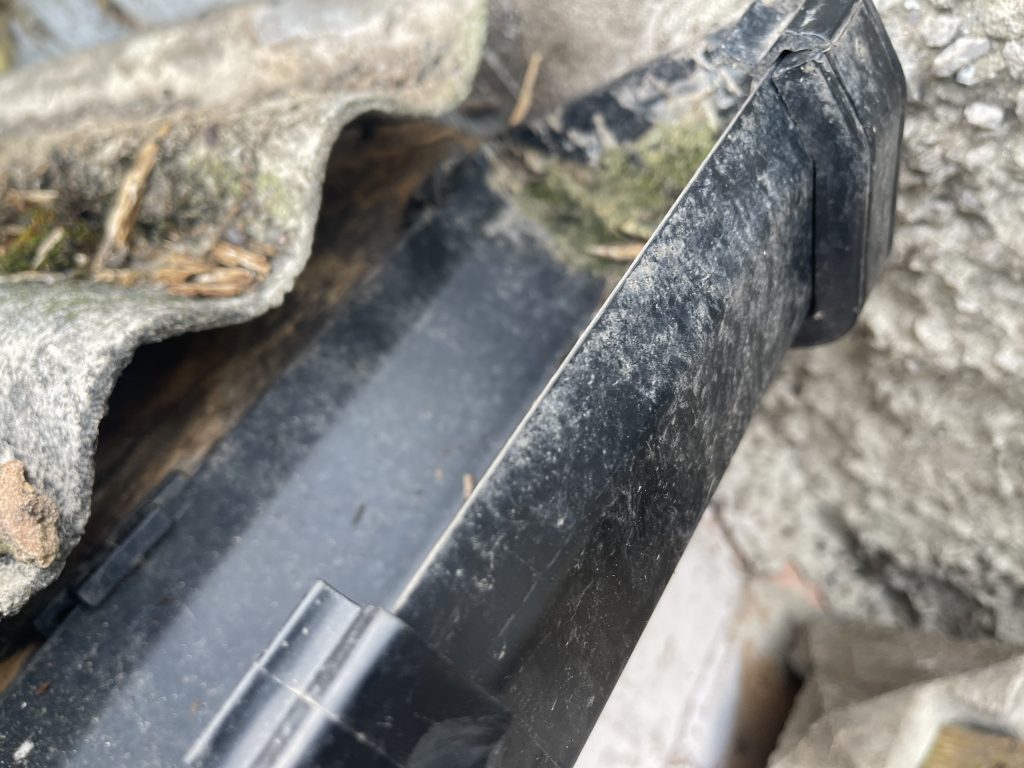
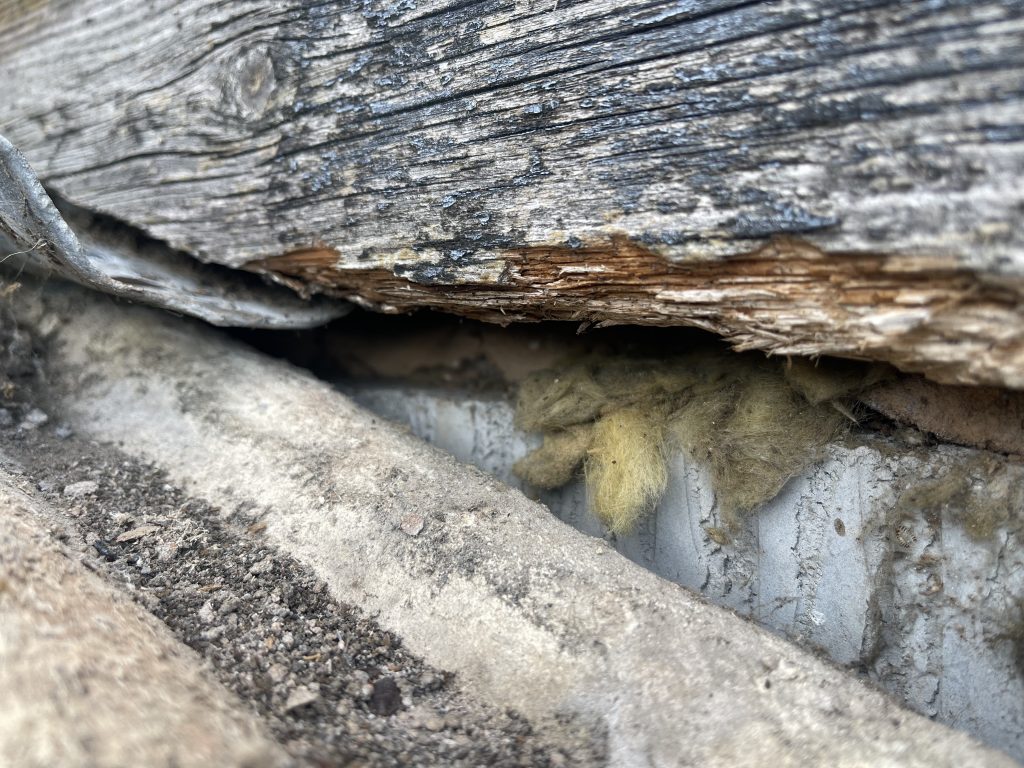
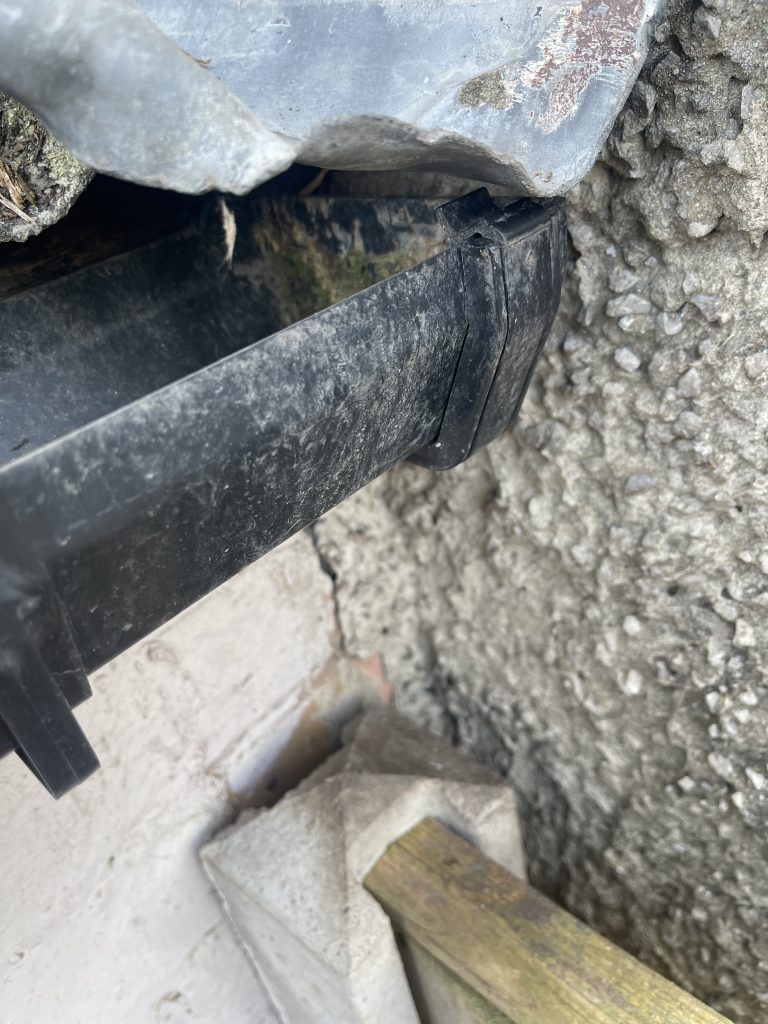
When carrying out a site inspection it is important that a survey at gutter height is carried out as well as lifting inspection chambers and loft surveys. Quite often roof access points are easy to correct and infestations can be controlled quickly.
In the event that you suspect you have a rat issue please feel free to contact us for advice, a conversation of to book a site inspection.