Tracking & Tracing
Following the Evidence. Understanding the Route.
Finding evidence of rats is one thing.
Understanding where they are coming from, where they are going and how they are moving through a property is often far more important.
At Rattraxs, tracking and tracing form part of an evidence-led approach to specialist rat investigation.
Rather than assuming that the location where rats are seen is the source of the problem, we look at the wider picture. Examining signs of activity, movement patterns, potential access points and the relationship between the building, its surroundings and, where appropriate, the drainage system.
Tracking — Understanding Rat Movement
Tracking is about establishing where rat activity is occurring and how rats may be using an environment.
This can involve examining physical evidence, activity patterns and movement between different areas of a property.
Depending on the circumstances, an investigation may consider:
- Where rats are being seen
- Where signs of activity are concentrated
- Likely movement routes
- Entry and exit points
- Areas of shelter
- Feeding locations
- Changes in activity
- Movement between external and internal areas
- Potential routes through buildings
- Possible relationships with drainage systems
The objective is not simply to find a rat.
It is to build a picture of how the rat is using the property.
Tracing — Following the Route
Tracing takes the investigation a step further.
Where there is evidence suggesting a particular route or access point, specialist tracing techniques can be used to investigate that possibility and help establish where a route may lead.
This can be particularly valuable when dealing with concealed or complicated access routes where the source of activity is not immediately obvious.
Tracing may form part of an investigation involving:
- Building voids
- Concealed access routes
- Service penetrations
- External structures
- Drainage systems
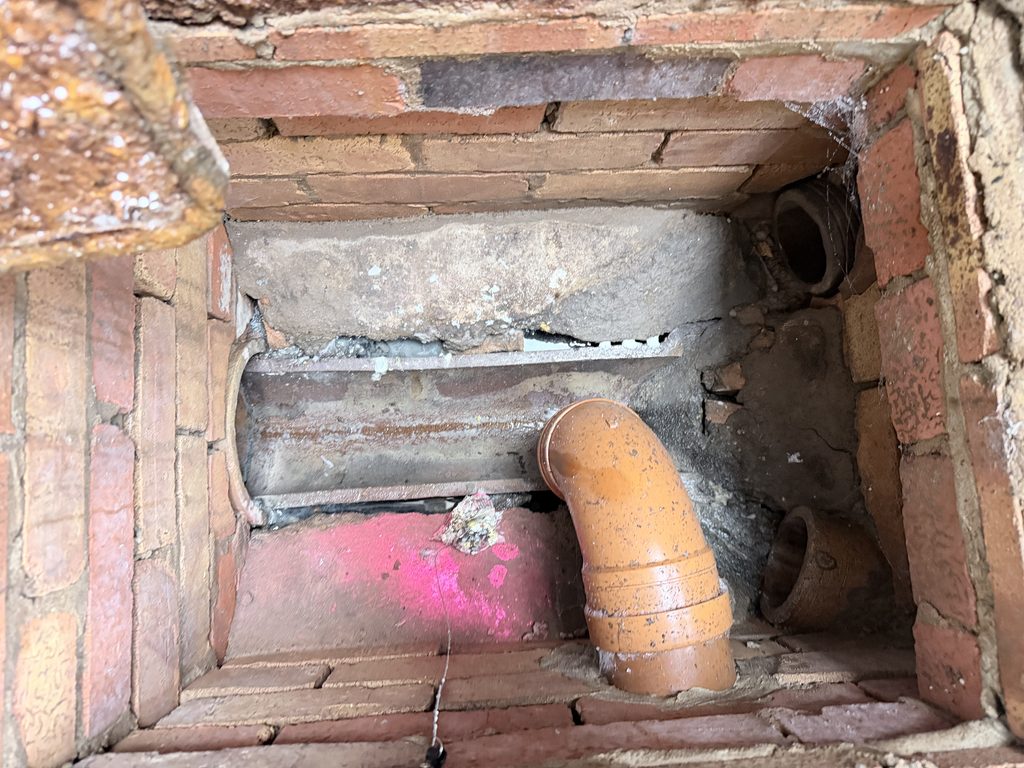
- Inspection chambers
- Gullies
- Sub-floor areas
- Potential routes between buildings and drainage infrastructure
The appropriate method depends upon the circumstances of each investigation.
There is no single technique that answers every question.
Tracking and Tracing Together
Tracking tells us what the evidence suggests about movement.
Tracing helps us investigate where a suspected route may lead.
Used together, they can help turn individual observations into a much clearer understanding of what is happening.
For example:
Rat activity observed inside a building
↓
Evidence of movement towards a particular area
↓
Potential access point identified
↓
Route investigated
↓
Relationship with drainage or building structure considered
↓
Further evidence gathered
↓
Findings documented in a professional report
This investigative process helps move the focus away from simply treating the location where the rat was found and towards understanding the circumstances that allowed the activity to occur.
When Tracking & Tracing Can Be Particularly Useful
Specialist investigation may be appropriate where:
- Rat activity repeatedly returns
- Rats are entering a building
- The source of activity is unclear
- Rats appear to be moving between different parts of a property
- Conventional treatment has not resolved the underlying issue
- There are unexplained noises or signs within concealed areas
- There is suspected movement associated with drainage
- Potential access points have been identified but not confirmed
- Several possible routes exist
- Evidence is required to support further remedial investigation
Every investigation is different.
The techniques used are selected according to the evidence, the property and the question that needs to be answered.
Tracking Rats Through Buildings
Buildings can contain numerous concealed spaces and potential movement routes.
Floor voids, wall cavities, service penetrations, extensions, roof spaces and external structures can all form part of the environment in which rats move.
A sighting in one room therefore does not necessarily identify the source of the problem.
The investigation needs to consider what connects that location to the rest of the property.
This is where systematic tracking and inspection can become particularly valuable.
Tracking, Tracing & Drainage
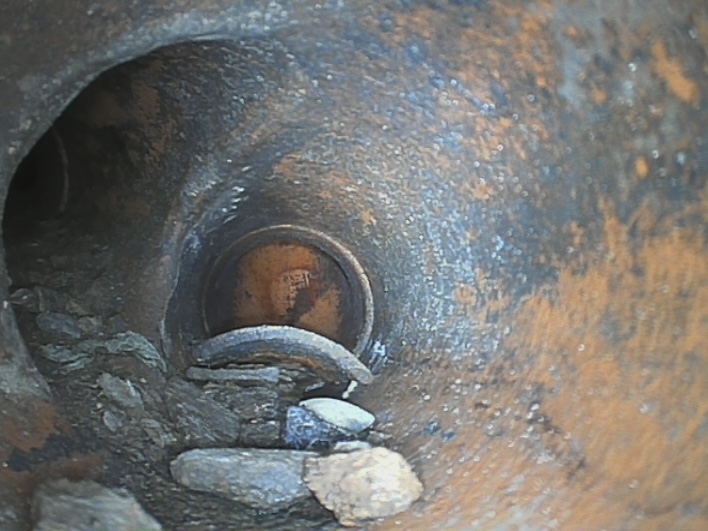
For Rattraxs, drainage is an important part of the investigation where the evidence suggests it may be relevant.
Drainage systems can provide concealed routes through the built environment, while defects may create opportunities for rats to move between drainage infrastructure and buildings.
Where appropriate, tracking and tracing can therefore be combined with:
Physical inspection
Specialist tracing methods
Photographic evidence
The purpose is to establish what the available evidence actually demonstrates rather than assuming that drainage is — or is not — involved.
Technology Supports the Investigation
Rattraxs uses specialist equipment and investigative techniques where they add value to the investigation.
However, technology is only one part of the process.
A successful investigation also depends upon:
- Observation
- Experience
- Understanding rat behaviour
- Knowledge of buildings
- Drainage awareness
- Physical inspection
- Interpretation of evidence
- Logical investigation
The equipment supports the investigator. It does not replace the investigator.
From Evidence to Explanation
The ultimate objective of tracking and tracing is not simply to produce more information.
It is to help answer the questions that matter.
Where are the rats moving?
How are they accessing the property?
What route are they using?
Could drainage be involved?
Is there a building defect or access point?
What evidence supports the findings?
What needs to happen next?
Those answers can then be incorporated into a clear, professional investigation report.
Following the Evidence
A rat investigation should not always begin with the assumption that the answer is obvious.
Sometimes the evidence leads to a drainage system.
Sometimes it leads to a building defect.
Sometimes it leads to an external environmental factor.
And sometimes the investigation establishes that further specialist investigation is required.
Tracking helps us understand movement.
Tracing helps us investigate routes.
Evidence helps us understand the problem.
Rattraxs helps put the pieces together.
Rats in? We find out how.