Practical Knowledge. Real-World Experience. Evidence-Led Investigation.
Rattraxs provides specialist, practical training for professionals working across the pest control, drainage, environmental and property industries.
The training is built around a principle that can transform the way pest problems are approached:
Understanding why a problem is happening is just as important as treating the problem itself.
Drawing on extensive experience investigating rats within buildings, drainage systems and external environments, Rattraxs training combines pest control expertise, drainage awareness, property inspection and evidence-led investigation.
This is not generic classroom theory.
It is practical, field-tested knowledge developed through real investigations, real properties and the complex problems professionals encounter every day.
Understanding Rats Beyond the Bait Station
Rat activity around a property can have many causes.
Treatment may reduce visible activity, but unless the reason rats are able to access, move through or remain within an environment is properly understood, the underlying problem may continue.
Rattraxs training examines the relationship between:
- Rat behaviour and movement in and around drainage
- Buildings and structural defects
- Drainage systems
- Defective gullies and connections
- Damaged or displaced pipework
- Inspection chambers and drainage infrastructure
- External environments
- Entry and access points
- Tracking and monitoring
- Evidence gathering
- Treatment and proofing
- Professional investigation and reporting
The aim is to help technicians look beyond the immediate signs of infestation and ask the question that often makes the difference:
“Why are the rats here?”
Rats Within Drainage Systems
Understanding the relationship between rats and drainage is a central part of Rattraxs training.
Drainage systems can provide rats with access, shelter and movement routes. Defects within those systems can also create pathways between the drainage network and buildings, allowing activity to persist or reappear after conventional treatment.
Training can cover subjects including:
- How rats utilise drainage systems
- Recognising potential drainage-related rat activity
- Drainage defects that may contribute to infestation
- Building-to-drainage relationships
- Gullies, inspection chambers and connections
- Damaged, displaced and redundant drainage
- Access routes into buildings
- Recognising when a pest problem may require drainage investigation
- Working effectively alongside drainage professionals
- The importance of evidence before recommending remedial works
A rat problem may actually be a drainage problem.
Recognising that possibility can fundamentally change the way an infestation is investigated, treated and resolved.
⸻
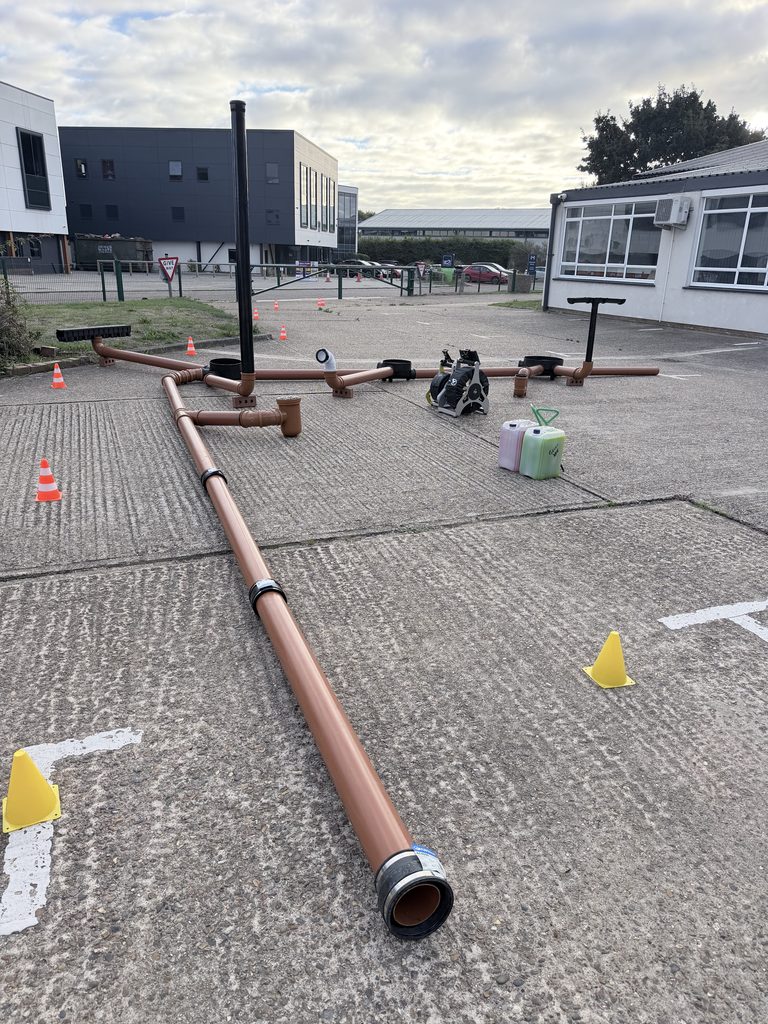
Rattraxs training gives pest professionals the practical drainage awareness they need to recognise when drainage may be contributing to rat activity.
It introduces the terminology, structures and features technicians may encounter during real investigations, helping them identify relevant evidence and communicate their findings with greater confidence.
Training can include practical discussion and demonstration of:
- Drainage layouts and flow
- Inspection chambers
- Manholes
- Gullies
- Connections
- Pipework
- Drop shafts
- Tumbling bays
- Potential access points
- Defective drainage
- Drainage-related rat pathways
The purpose is not to turn pest technicians into drainage engineers.
It is to give them the knowledge to recognise when drainage is relevant, identify evidence that warrants further investigation and make better-informed professional recommendations.
Investigation, Tracking & Tracing
Effective pest investigation often requires more than visual inspection and conventional treatment methods.
Rattraxs training demonstrates how different investigative techniques can be combined to build a clearer, more reliable picture of what is happening and why.
Depending on the subject and training requirements, this can include:
Tracking & Monitoring
Understanding movement, activity and behaviour can help establish where rats are travelling, how they are using a property and which areas require closer attention.
Specialist Tracing
Specialist tracing techniques can assist in following suspected routes, testing theories and identifying locations that require further investigation.
CCTV Drainage Surveys
Drainage CCTV can provide valuable visual evidence where a potential relationship exists between rat activity and the drainage system.
Thermal Imaging
Where appropriate, thermal imaging can support a wider investigative approach and help identify areas that may warrant closer examination.
Conventional Inspection
Technology is only one part of a successful investigation.
Physical inspection, observation, questioning, environmental assessment and professional experience remain fundamental.
The equipment supports the investigation. It does not replace the investigator.
From Pest Problem to Property Investigation
A major focus of the training is developing a stronger investigative mindset.
Rather than simply asking:
“Where are the rats?”
technicians are encouraged to consider:
“Where are they coming from?”
“How are they getting there?”
“What is allowing them to remain?”
“Could the drainage system or structure of the property be contributing?”
“What evidence do we have?”
“What needs to be investigated next?”
This approach helps technicians move beyond treating symptoms and towards identifying the underlying circumstances contributing to an infestation.
That can lead to more accurate recommendations, more effective remedial work and better outcomes for clients.
Practical Field-Based Learning
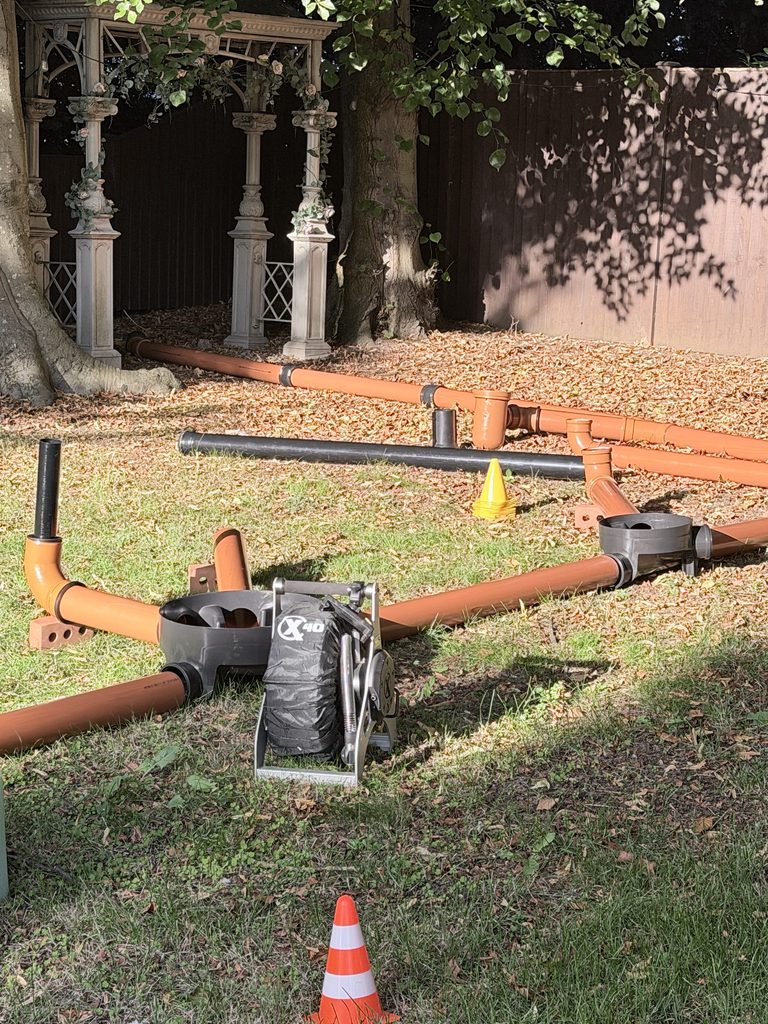
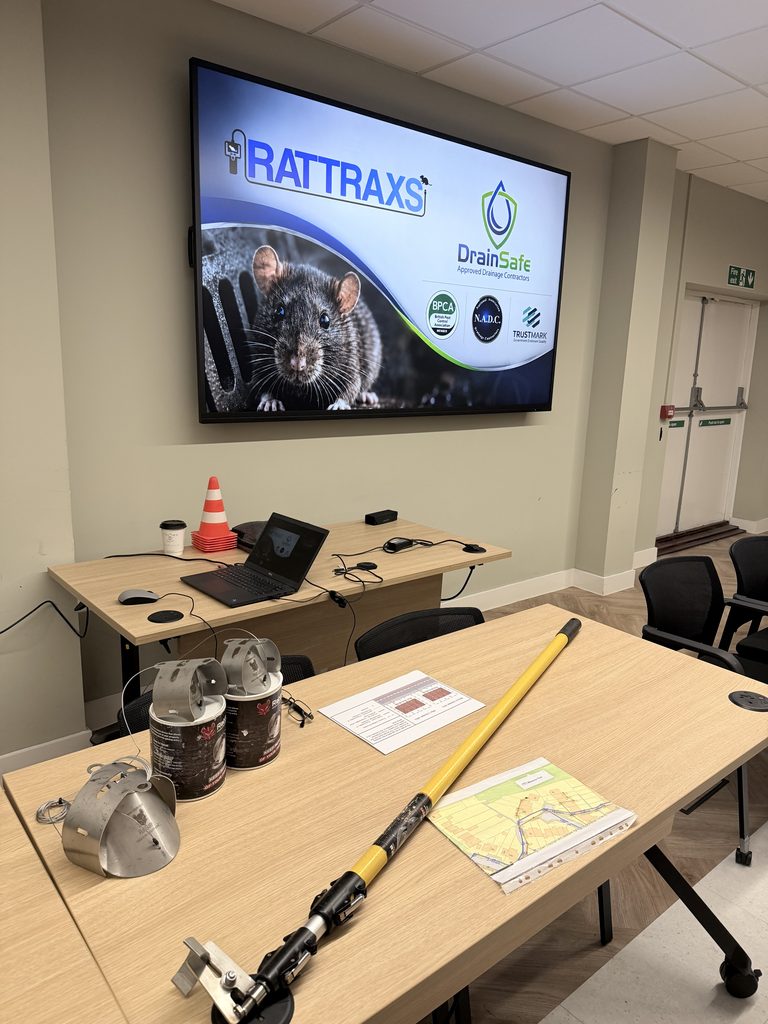
Where appropriate, Rattraxs training incorporates practical demonstrations and real-world examples rather than relying solely on theoretical presentations.
This gives attendees the opportunity to see how investigative principles are applied to genuine situations and understand how the findings can influence the next stage of the work.
Training can explore:
- Identifying potential rat access routes
- Interpreting signs of activity
- Examining drainage features
- Assessing the relationship between buildings and drainage
- Following evidence
- Selecting appropriate investigation methods
- Understanding when specialist equipment may be useful
- Recording findings
- Communicating recommendations
- Producing professional evidence-based reports
The emphasis is on practical understanding that can be applied immediately in the field.
Professional Reporting
Investigation is only part of the process.
Being able to clearly communicate what has been found is equally important, particularly when reports may influence remedial works, property decisions or further specialist investigation.
Rattraxs training places strong emphasis on professional reporting and evidence.
A good investigation should allow the technician to clearly distinguish between:
What has been observed.
What has been established.
What remains unconfirmed.
What further investigation may be required.
What remedial action may be appropriate.
This approach is particularly valuable when reports may ultimately be read by landlords, property managers, insurers, environmental health departments, solicitors, drainage contractors, surveyors or water authorities.
Clear, evidence-led reporting helps reduce uncertainty, supports better decisions and demonstrates professional competence.
⸻
Who Is the Training For?
Rattraxs training is relevant to professionals working within:
- Pest control
- Drainage
- Environmental services
- Property management
- Facilities management
- Local authority services
- Housing and property maintenance
- Surveying
- Building maintenance
- Related environmental and property professions
It is particularly valuable for experienced technicians who want to strengthen their understanding of rats, drainage and property investigation, as well as professionals looking to broaden their practical knowledge beyond conventional pest control.
Experience From the Field
Rattraxs training is based on practical experience gained from investigating real pest and drainage problems in occupied domestic, commercial and external environments.
The training reflects the situations professionals encounter in the real world:
Rats entering buildings.
Rats associated with drainage systems.
Persistent activity where conventional treatment has not resolved the underlying issue.
Potential structural access points.
Defective drainage.
Complex investigations where several possible causes need to be considered.
This experience allows Rattraxs to provide training that is relevant, realistic and directly connected to the challenges faced in the field.
The aim is to give professionals greater understanding, greater confidence and a more effective process for investigating difficult cases.
Training With a Different Perspective
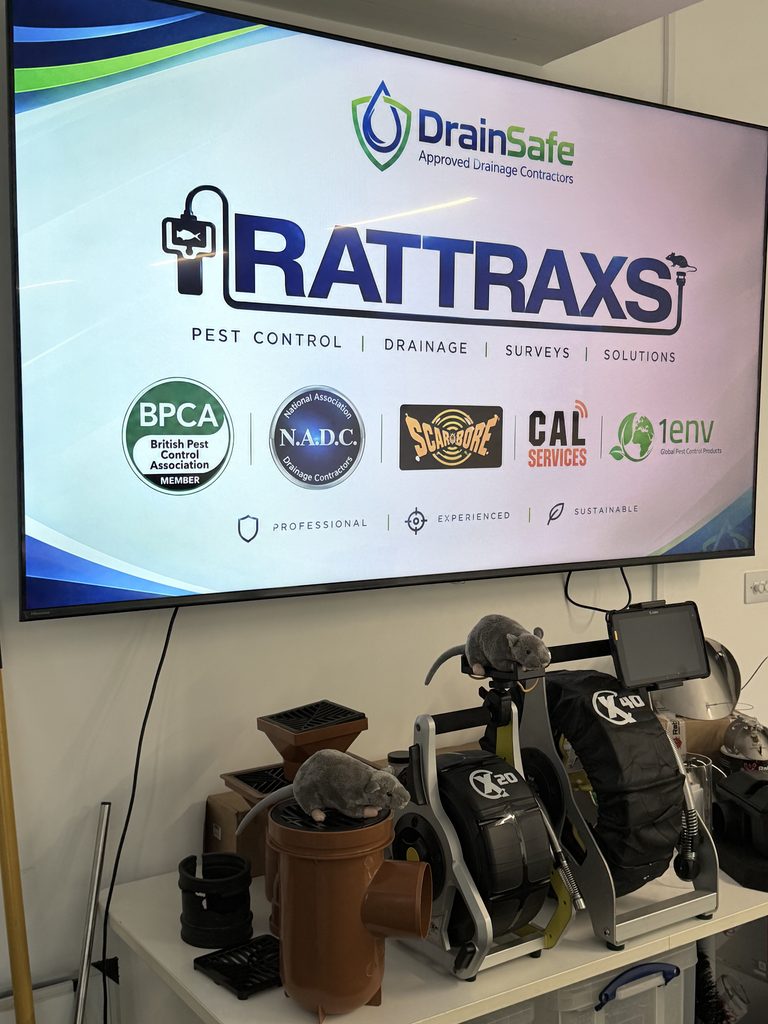
Rattraxs operates at the point where pest control, drainage investigation and property inspection overlap.
That perspective forms the foundation of the training.
Rather than treating these disciplines as completely separate, the training examines how they interact — particularly where rat activity may be influenced by the relationship between a building, its external environment and its drainage system.
Rats in? We find out how.
That investigative philosophy runs through everything Rattraxs does, including its professional training.
Professional Development Through Practical Understanding
The objective is not simply to provide more information.
It is to help technicians observe more carefully, investigate more thoroughly and report more accurately.
Good pest control is not always about finding more bait points.
Sometimes it is about finding the damaged drain.
Sometimes it is about identifying the defective gully.
Sometimes it is about understanding how a rat is moving through a property.
And sometimes the most important finding is recognising that further specialist investigation is required.
That is where practical investigative knowledge becomes valuable.
It helps professionals make better decisions, provide stronger recommendations and address the conditions that allow pest problems to persist.
Rattraxs Industry Training
Practical. Evidence-led. Field focused.
Training can be developed around the requirements of your organisation, team or professionals attending, with subjects tailored to the level of experience and operational environment.
Whether you are looking to improve drainage awareness, strengthen rat investigation skills, understand specialist tracing methods or improve professional reporting, Rattraxs can provide practical training built around real-world requirements.
For enquiries regarding industry training, practical demonstrations or specialist training requirements, please contact Rattraxs to discuss your objectives.
Rattraxs Pest Control